Kına, Davul, and 'Do You Take This Person': How Turkish Wedding Traditions Are Crashing American Nuptials
Somewhere between the rehearsal dinner and the open bar, American weddings have been quietly getting a makeover. Not the kind that involves a new centerpiece trend or a signature cocktail named after the couple's dog—something deeper, louder, and a whole lot more fun to dance to.
Turkish wedding traditions, once reserved for community halls in Paterson, NJ or the banquet rooms of Turkish cultural associations in Houston, are spilling into mainstream American wedding culture. And honestly? Nobody's complaining.
The Night Before the Night: Kına Gecesi Goes Mainstream
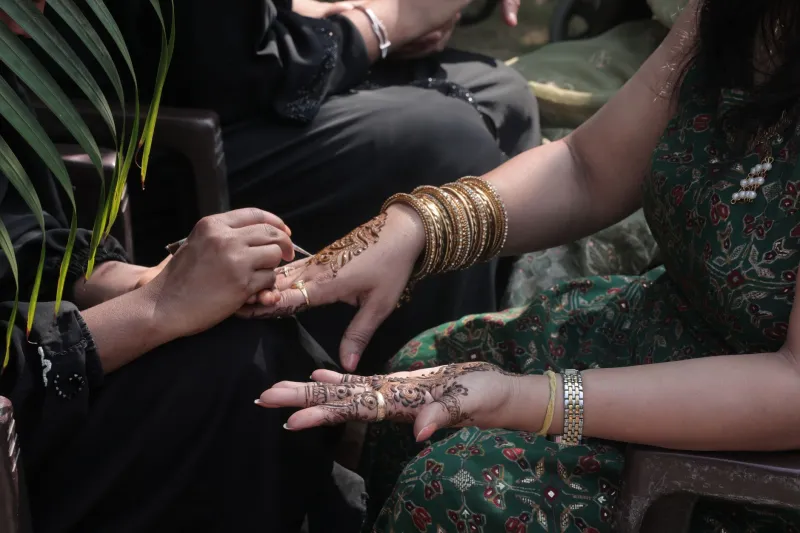
For those who didn't grow up hearing the word, kına gecesi—literally "henna night"—is the traditional Turkish pre-wedding ceremony held for the bride. It's part send-off, part spiritual ritual, and entirely its own event. Women gather, candles flicker, henna is applied to the bride's hands while she cries (yes, intentionally—it's considered good luck), and songs are sung that would make even the most stoic aunt reach for a tissue.
For decades in the US, this was an in-community affair. Now, wedding planners across major American cities say they're fielding requests for henna-inspired pre-wedding events from couples who have never set foot in Turkey.
"I had a client from Ohio—both partners were from Midwestern families, no Turkish background whatsoever—who had attended a Turkish friend's kına gecesi and basically said, 'We need this,'" says one New York-based wedding planner who has organized events for Turkish-American families for over a decade. "They didn't want a carbon copy, but they wanted that feeling—the intimacy, the ritual, the crying together before everything changes."
This kind of cultural borrowing isn't without its complications, and we'll get there. But first, let's talk about the part where someone brings out the davul.
Halay on the Hudson
If you've been to a Turkish wedding—or even watched one on TikTok—you know the moment. The music shifts, someone grabs a handkerchief, and suddenly seventy people are moving in a synchronized line dance that looks deceptively simple until you try to join and immediately step on your neighbor's foot. That's the halay, and it is absolutely undefeated as a crowd unifier.
DJ and event coordinator Emre Yıldırım, who splits his time between Istanbul and Chicago, says halay has become one of the most-requested "moments" at multicultural weddings he works. "American couples see it at a Turkish friend's wedding and they lose their minds. They want it. So we teach it. We slow it down, we bring in a zurna player if the budget allows, and by the end of the night, the bride's college roommates from Wisconsin are doing it better than some of the Turkish guests."
It's not just halay. Turkish fasıl music—that lush, emotional classical tradition—has found its way into ceremony playlists. Gold coin traditions during the reception (where guests pin money onto the bride and groom) have been adapted into creative cash-gifting moments that American couples find both practical and theatrical. Even the takı merasimi—the formal jewelry ceremony during engagements—is showing up in hybrid form at American events.
The Wedding Industry Is Watching
Follow any wedding industry publication or major bridal influencer account and you'll notice a pattern: Mediterranean aesthetics, including Turkish-adjacent ones, are having a serious moment. Abundant mezze spreads as cocktail hour food? Check. Evil eye (nazar boncuğu) motifs on invitations and favors? Absolutely everywhere. Venues styled around warm lighting, textiles, and that specific kind of organized chaos that makes a party feel alive rather than curated? The demand is real.
Wedding planners who specialize in Turkish and Middle Eastern events say they've seen their inquiry lists diversify significantly over the past three years. Social media plays a huge role—a single viral video of a Turkish wedding entrance or a kına ceremony can send hundreds of couples searching for how to incorporate something similar.
But with mainstream attention comes a familiar tension.
When Tradition Becomes Trend
Not everyone in the Turkish-American community is thrilled about the aesthetic adoption of their cultural practices. The concerns range from surface-level borrowing (using nazar imagery without understanding its meaning) to more layered questions about who profits when traditions become products.
"There's a difference between sharing your culture and watching someone package it and sell it back to you," says one cultural commentator who runs a Turkish-American community newsletter in Los Angeles. "When a non-Turkish wedding venue starts advertising 'Mediterranean henna nights' as a premium add-on, you have to ask: who did they learn this from, and are those people being credited or compensated?"
For many Turkish-American couples, though, the mainstreaming of their traditions feels less threatening and more validating. Growing up caught between two cultures—expected to assimilate at school and preserve heritage at home—seeing your grandmother's rituals treated as something worth celebrating can be genuinely moving.
"My mom cried at my kına gecesi for two reasons," laughs Defne, a 31-year-old Turkish-American who got married in Austin last year. "One, because that's what you do at kına. Two, because my non-Turkish friends had actually researched what it meant and made it beautiful. She felt seen."
What Gets Kept, What Gets Changed
The most interesting weddings, planners and couples agree, aren't the ones that try to replicate Turkish traditions wholesale—they're the ones that ask why a tradition exists and then decide what to keep.
The henna isn't just decoration; it's a goodbye and a blessing. The halay isn't just a line dance; it's a statement that this family moves together. The gold coins aren't just a quirky photo op; they're a community's way of literally investing in a new household.
When couples—Turkish-American or otherwise—approach these elements with that kind of understanding, something real happens. The wedding stops being a performance and starts being a ceremony in the truest sense.
And if a few guests from Iowa end up doing a surprisingly competent halay by midnight? Honestly, that's the whole point.