Dizi Fever: How Turkish TV Crept Into American Living Rooms and Never Left
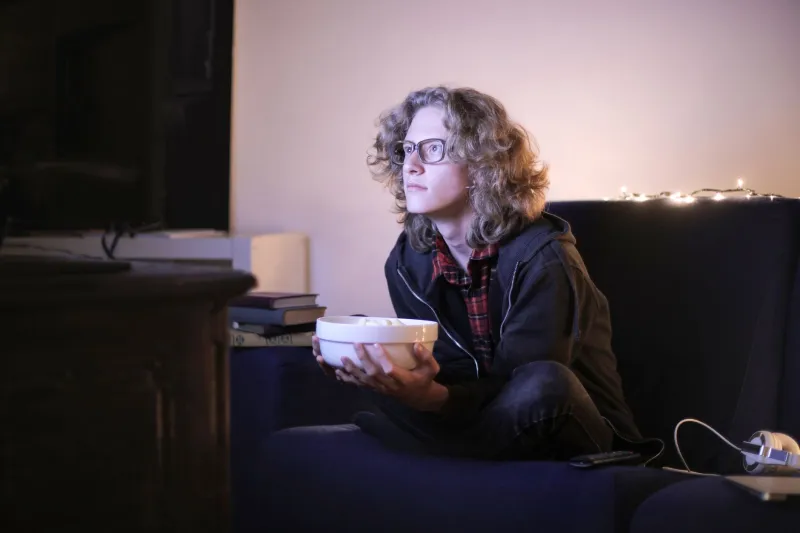
It starts innocently enough. Maybe the algorithm dropped Diriliş: Ertuğrul into your Netflix queue after a K-drama binge. Maybe your mom called you on a Sunday afternoon, unusually animated, demanding you "just try the first episode" of some Ottoman epic she'd been watching on YouTube with Turkish subtitles. Either way, you gave it twenty minutes — and then it was suddenly 2 a.m. and you were six episodes deep, emotionally invested in a 13th-century warrior's quest for justice.
Welcome to the dizi rabbit hole. Population: millions of Americans, and growing fast.
What Even Is a Dizi?
For the uninitiated, dizi is simply the Turkish word for TV series. But calling a Turkish dizi "just a TV show" is like calling a baklava "just a pastry." These productions are sprawling, emotionally dense, visually lush storytelling machines — often running 100+ episodes, with individual episodes that clock in at 90 minutes to two hours. That's basically a movie every week, with a cliffhanger attached.
Turkish television has been pumping out high-quality drama since the early 2000s, but the international explosion really kicked off when Ertuğrul became a word-of-mouth sensation across the Muslim world, South Asia, and eventually the West. Netflix picked up Midnight at the Pera Palace, a slick Istanbul-set time-travel thriller, and suddenly the conversation shifted from niche diaspora circles to mainstream American streaming discourse.
The Gen Z Factor
Here's the thing about Gen Z that older generations sometimes miss: they do not care where a show comes from. If it hits emotionally, if the production looks cinematic, if the characters feel real — they're in. Turkish dramas check every single one of those boxes.
Series like Sen Çal Kapımı (known to international fans as You Knock on My Door) went viral on TikTok and Twitter through clip compilations that highlighted the chemistry between leads Hande Erçel and Kerem Bürsin. American fans — many of whom had never thought twice about Turkish culture — were suddenly learning character names, debating relationship arcs, and deep-diving into fan forums alongside viewers from Argentina, Indonesia, and Egypt.
"I genuinely thought I was going to watch one episode to see what the hype was about," says Leyla, a 22-year-old college student in Chicago whose parents immigrated from Ankara. "Then I looked up and it was my third week of watching. I was texting my mom about it and she was like — finally, welcome to the club."
That generational bridge is something you don't see often in pop culture. Turkish diaspora families in the US have long used diziler as a cultural lifeline — a way to stay connected to a homeland that can feel increasingly distant. For the kids who grew up here, watching these shows as adults becomes a kind of rediscovery.
Why These Shows Hit Different
There are a few things Turkish dramas do that American TV has largely moved away from, and audiences are apparently starving for them.
Emotional patience. Turkish shows are not afraid to slow down. A scene where two characters almost hold hands can last four minutes, scored with a sweeping orchestral track, shot from five different angles. American streaming culture has trained us to expect rapid-fire plot progression, but diziler remind viewers what it feels like to sit with a feeling. It's almost meditative, and deeply addictive.
Family and community as central values. So much of American prestige TV centers individual ambition, isolation, or moral complexity as the primary dramatic engine. Turkish dramas, by contrast, treat family loyalty, community bonds, and collective identity as the actual stakes. That resonates powerfully with diaspora audiences — and increasingly with American viewers who are hungry for stories where people actually care about each other.
Production value that punches above its weight. The costuming in a period dizi like Kuruluş: Osman is genuinely jaw-dropping. The cinematography in Çukur rivals anything on premium cable. Turkish productions have invested heavily in technical quality, and it shows.
The Diaspora Dimension
For Turkish-Americans specifically, these shows carry an emotional weight that goes beyond entertainment. Second-generation viewers describe a particular feeling of watching a dizi — something between nostalgia and recognition, even for places and time periods they've never personally experienced.
"It's not that the shows are realistic about modern Turkey necessarily," explains Mert, a 28-year-old in New Jersey whose family is from İzmir. "But there's something in the texture of it — the way people talk to their grandmothers, the way food appears on the table during every emotional conversation, the specific kind of humor. It feels like home even when the story is set in the 1200s."
That texture is cultural authenticity, and it's not something you can fake. American audiences are perceptive enough to sense it, even without the cultural context to name it.
What This Means for Turkish Culture in America
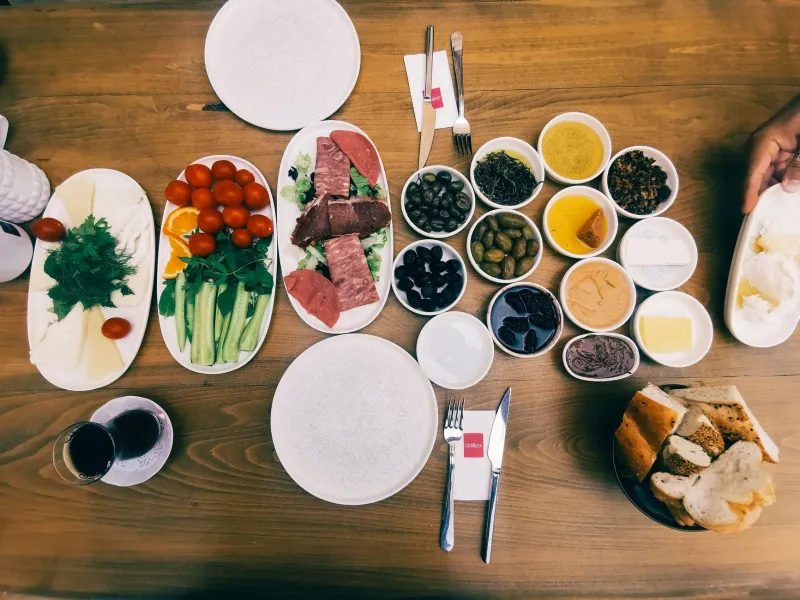
The dizi boom isn't just a streaming statistic. It's quietly reshaping how Turkish culture gets understood — and valued — in the United States. Teachers at Turkish cultural schools report kids coming in with questions sparked by shows they watched. Turkish restaurants in cities with large diaspora populations say they're seeing new customers who discovered Turkish food through the elaborate feast scenes in period dramas.
More importantly, it's giving Turkish-American communities something to be proud of in a very public, mainstream way. In a media landscape where representation still matters enormously, seeing Turkish storytelling go genuinely global — not as an exotic curiosity but as a legitimate entertainment powerhouse — hits differently.
So if your parents have been trying to get you to watch a dizi for years and you've been resistant: maybe just try one episode. Set aside a Saturday afternoon. Make some çay.
We'll see you on the other side of the rabbit hole.